
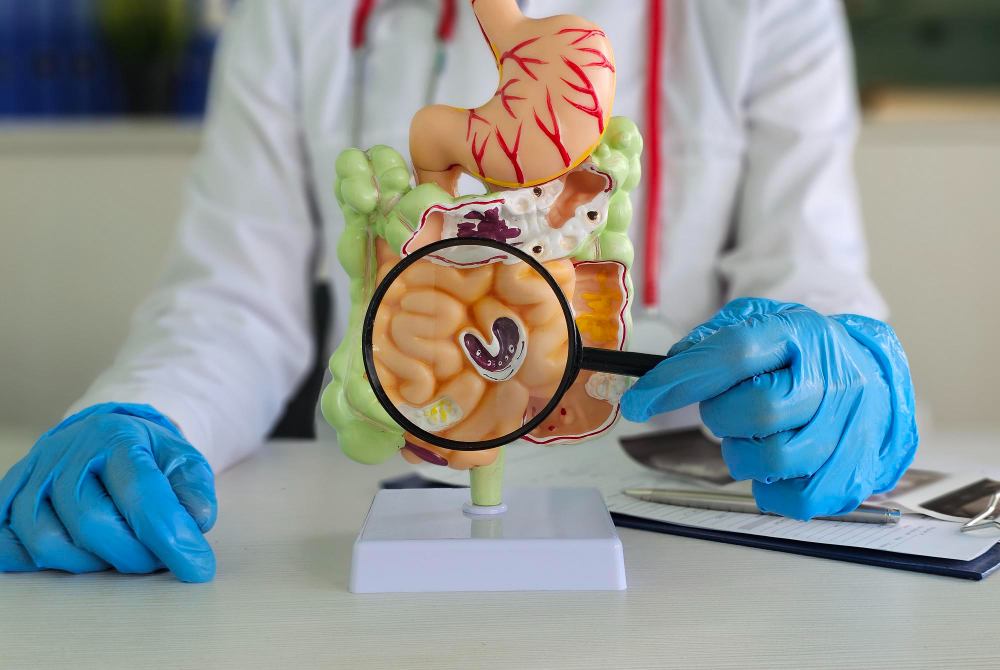
Many people wonder when an upper GI endoscopy is recommended. This test helps doctors look inside your food pipe, stomach, and the first part of your small intestine. Because it is a key digestive health test, knowing when you might need one can help you feel prepared. In this blog, you will learn about the reasons, symptoms, and what to expect if your doctor suggests an upper GI endoscopy.
What Is an Upper GI Endoscopy?
First, an upper GI endoscopy is a test that lets doctors see the inside of your upper digestive system. During this test, a thin, flexible tube with a camera goes through your mouth and down your throat. The camera sends pictures to a screen, so your doctor can check for problems. Usually, this test takes about 15 to 30 minutes. Because it is quick and safe, doctors use it often to find the cause of stomach or throat issues.
Common Reasons for an Upper GI Endoscopy
Doctors may suggest this test for several reasons. For example, they may want to:
Additionally, upper endoscopy indications include checking for signs of cancer or following up on past problems. Sometimes, this test helps treat certain conditions, such as stopping bleeding or widening a narrow area.
Symptoms That May Require an Upper GI Endoscopy
Some symptoms may mean you need this test. For instance, you should talk to your doctor if you have:
Because these signs can point to serious problems, your doctor may recommend an upper GI endoscopy.
How Doctors Decide If You Need an Upper GI Endoscopy
Doctors use your symptoms, health history, and exam results to decide if you need this test. For example, if you have signs you may need an upper GI endoscopy, your doctor will ask about your symptoms and how long they have lasted. Next, they may order other digestive health tests, such as blood tests or scans. If these do not give clear answers, an upper GI endoscopy may be the next step. In some cases, your doctor may suggest this test right away if you have high-risk symptoms, like vomiting blood.
What to Expect During the Procedure
Before the test, your doctor will explain what will happen. Usually, you should not eat or drink for several hours before the test. When you arrive, you may get medicine to help you relax. During the test, you will lie on your side. The doctor gently puts the tube in your mouth and guides it down. Most people feel pressure but not pain. Because the test is quick, you can often go home the same day. Afterward, you may feel a little sore throat for a day or two.
Risks and Safety of Upper GI Endoscopy
Upper GI endoscopy is safe for most people. However, as with any test, there are some risks. For example, you may have:
Because doctors are trained to do this test safely, serious problems are rare. The World Health Organization notes that the benefits of early testing often outweigh the risks, especially if you have warning signs.
Frequently Asked Questions About Upper GI Endoscopy
Is the test painful? Most people feel only mild discomfort. Medicine helps you relax, so you should not feel pain.
How long does it take? Usually, the test takes 15 to 30 minutes. You may need to stay for a short time afterward to recover.
Can I eat after the test? Yes, but you should wait until your throat feels normal again. Your doctor will give you instructions.
When is an upper GI endoscopy needed? Doctors recommend it if you have ongoing symptoms, such as trouble swallowing, bleeding, or unexplained pain.
Is it safe for children? Yes, but doctors use special care and smaller tools for children.
Conclusion
If you have symptoms or questions about upper GI endoscopy, Dr. Raghuram Kondala and our team are here to help. Schedule a consultation today to discuss your digestive health needs.