
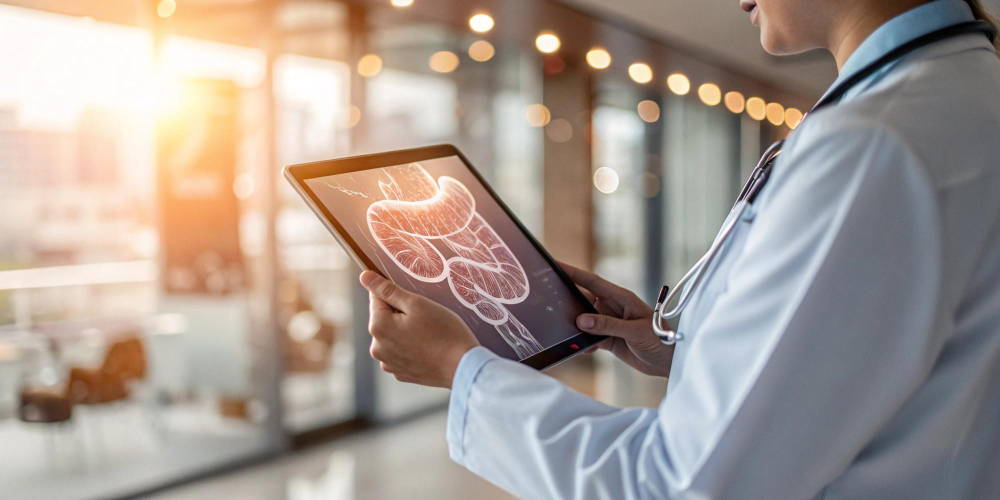
What Is Endoscopy?
Endoscopy is a simple medical test. It lets doctors look inside your digestive tract. The digestive tract includes your food pipe, stomach, and intestines. During an endoscopy, a thin, flexible tube with a camera goes into your body. This tube is called an endoscope. Because the camera sends pictures to a screen, doctors can see any problems clearly. For many people, endoscopy is a safe and helpful way to check gut health.
Why Is Endoscopy Important for Gut Health?
Gut health is important for your whole body. However, sometimes problems in the gut are hard to see from the outside. That is where the role of endoscopy in gut health becomes clear. With endoscopy, doctors can spot issues early. For example, they can find ulcers, swelling, or growths. Early detection often leads to better treatment. In addition, endoscopy helps guide decisions about care. According to the World Health Organization, early gut health screening can prevent serious illness.
Common Reasons for Endoscopy
Doctors may suggest an endoscopy for many reasons. Often, it helps find the cause of symptoms. Some common reasons include:
Sometimes, endoscopy is used as a routine digestive tract examination, especially if you have risk factors.
How Endoscopy Works: The Procedure Explained
Before the endoscopy procedure for digestive health, you may need to stop eating for several hours. This keeps your stomach empty. During the test, you will lie on your side. The doctor gently guides the endoscope through your mouth or another opening. Because the camera sends live images, doctors can see the lining of your gut. Sometimes, they take small samples, called biopsies, for further testing. Most people feel only mild discomfort. The whole process usually takes less than an hour.
What to Expect Before, During, and After Endoscopy
Before your endoscopy, your doctor will explain the steps. You may need to avoid food and certain medicines. During the test, you might get medicine to help you relax. While the tube may feel strange, it should not hurt. Afterward, you may feel sleepy or have a mild sore throat. Because you had medicine, you should not drive right away. Most people go home the same day. If you have questions, your care team will help you understand what to expect.
Benefits and Risks of Endoscopy
Endoscopy offers many benefits. For example, it helps doctors find problems early. It can also guide treatment and sometimes even fix issues during the test. However, like any procedure, there are some risks. These include:
Still, endoscopy safety is high. According to the Centers for Disease Control and Prevention, serious problems are rare. Always talk to your doctor about your concerns.
How Endoscopy Helps Diagnose Gut Conditions
Endoscopy is a key tool for gut health screening. Because it gives a clear view inside your body, doctors can spot many conditions. For example, they can diagnose:
With early diagnosis, treatment can start sooner. As a result, you may have a better outcome.
Tips for Maintaining Gut Health After Endoscopy
After your endoscopy, caring for your gut is important. While your doctor will give you advice, here are some general tips:
Because regular check-ups help, keep in touch with your healthcare team. This way, you can support your digestive health and feel your best. Consult Dr. Raghuram Kondala now.