What Is Cirrhosis?
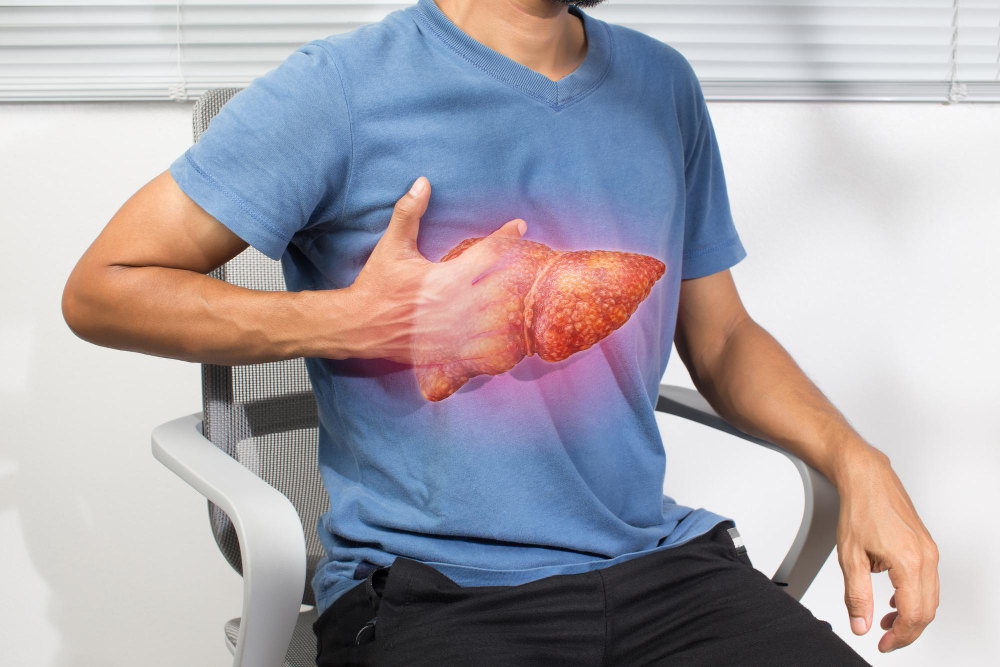
Cirrhosis is a serious liver disease. It happens when healthy liver tissue is replaced by scar tissue. As a result, the liver cannot work as well. The liver is important because it helps clean your blood, stores energy, and makes proteins your body needs. According to the World Health Organization, cirrhosis is a leading cause of liver-related illness worldwide. For many people, understanding how cirrhosis affects your liver health is the first step in protecting yourself.
How Cirrhosis Develops in the Liver
First, the liver gets hurt over a long time. The damage can come from infections, alcohol, or other causes. Over time, the liver tries to fix itself. However, each time it repairs, scar tissue forms. As more scar tissue builds up, the liver has trouble doing its job. Eventually, the liver cannot heal itself anymore. This is when cirrhosis develops. Because the liver is so important, even small changes can affect your whole body.
Symptoms of Cirrhosis
Many people do not notice symptoms at first. However, as cirrhosis gets worse, signs may appear. Early symptoms can be mild, but they often get worse over time. Common symptoms of cirrhosis include:
Because these symptoms can also happen with other health problems, it is important to talk to a doctor if you notice them.
Causes and Risk Factors
Cirrhosis can develop for many reasons. Some causes are more common than others. For example, long-term alcohol use is a leading cause. In addition, chronic viral infections like hepatitis B and hepatitis C can also harm the liver. Nonalcoholic fatty liver disease, which happens when fat builds up in the liver, is another cause. Other risk factors include:
Because some risk factors can be controlled, making healthy choices can lower your risk.
How Cirrhosis Impacts Liver Function
As cirrhosis gets worse, the liver cannot do its job well. For instance, the liver may not filter toxins from your blood. This can lead to confusion or other brain problems. Also, the liver may not make enough proteins, which can cause bleeding or swelling. Because the liver helps digest food, you may have trouble absorbing nutrients. Over time, these problems can affect your whole body. According to the CDC, cirrhosis can lead to life-threatening complications if not managed.
Diagnosis of Cirrhosis
Doctors use several tests to find out if you have cirrhosis. First, they may ask about your symptoms and medical history. Next, they might do a physical exam. Blood tests can show how well your liver is working. Imaging tests, like ultrasound or CT scans, can show changes in the liver. Sometimes, a liver biopsy is needed. This test takes a small piece of liver tissue to look for scar tissue. Early diagnosis helps doctors manage cirrhosis better.
Treatment Options for Cirrhosis
While cirrhosis cannot be cured, treatment can help manage symptoms and slow damage. Treatment depends on the cause and how severe the disease is. Common treatments include:
In severe cases, a liver transplant may be needed. Because early treatment works best, it is important to follow your doctor’s advice.
Lifestyle Tips for Managing Cirrhosis
Making healthy choices can help you live better with cirrhosis. For example, you should avoid alcohol and limit salt in your diet. Eating balanced meals can support your liver. In addition, regular exercise can help control weight and lower stress. Here are some helpful tips:
Because cirrhosis can change over time, staying in touch with your healthcare team is important.
Preventing Cirrhosis and Protecting Liver Health
There are steps you can take to protect your liver and prevent cirrhosis. First, limit alcohol use or avoid it completely. Next, get vaccinated for hepatitis B and practice safe habits to avoid hepatitis C. Maintaining a healthy weight and eating a balanced diet can also help. In addition, regular exercise supports liver health. Finally, talk to your doctor about any medicines or supplements you take. Because early action makes a difference, caring for your liver now can help you stay healthy in the future. Take the first step towards better health. Connect with us today. Consult Dr. Raghuram Kondala