What is GERD?
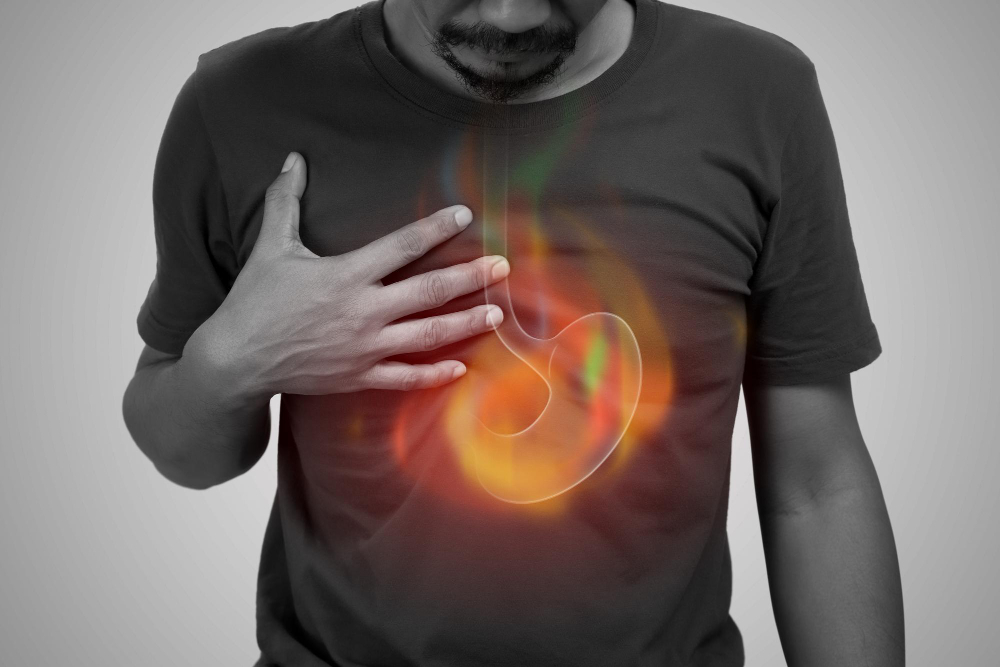
GERD stands for Gastroesophageal Reflux Disease. It is a long-term condition where acid from the stomach flows back into the food pipe. This backflow is called acid reflux. Because of this, people may feel a burning pain in their chest. GERD is common and can affect people of all ages. For many, it can cause daily discomfort. However, with the right care, symptoms can be managed.
Common Symptoms of GERD
Many people with GERD notice certain signs. For example, you may feel a burning feeling in your chest, often called heartburn. Other symptoms can include:
Sometimes, symptoms can be mild. But in some cases, they may be severe and disrupt daily life.
Why Does Acid Reflux Happen?
Normally, a muscle at the end of your food pipe, called the lower esophageal sphincter, keeps stomach acid in place. However, when this muscle relaxes at the wrong time, acid can flow back up. As a result, you may feel heartburn or discomfort. Eating large meals or lying down soon after eating can make this worse. In addition, certain foods and drinks can trigger acid reflux. For instance, spicy foods, fatty meals, chocolate, and caffeine are common triggers. Because of these factors, acid reflux can happen more often in some people.
Causes and Risk Factors
There are several reasons why GERD develops. Some common causes and risk factors include:
Because these factors can weaken the lower esophageal sphincter, they increase the risk of acid reflux. For some, making small changes can help reduce symptoms.
Diagnosis of GERD
If you have frequent acid reflux, your doctor may suggest tests. First, they will ask about your symptoms and medical history. Sometimes, they may recommend:
Because these tests help find the cause, your doctor can suggest the best treatment for you.
Treatment Options
There are many ways to treat GERD. For mild symptoms, lifestyle changes may help. However, some people need medicine or other treatments. Common options include:
Because each person is different, your doctor will help choose the right treatment for you. For those seeking GERD treatment in your city, many clinics offer specialized care.
Prevention and Lifestyle Tips
While GERD can be bothersome, you can take steps to prevent acid reflux. For example, try these tips:
Because these changes can lower your risk, they are a good place to start. If you want to know how to prevent acid reflux, these habits can help.
When to See a Doctor
Sometimes, GERD symptoms can be serious. For instance, if you have trouble swallowing, chest pain, or vomit blood, seek medical help right away. Also, if your symptoms do not improve with treatment, talk to Dr. Raghuram Kondala. Early care can prevent problems and improve your quality of life.
If you have frequent acid reflux, consult a gastroenterologist for personalized advice.