What Are Colon Polyps?
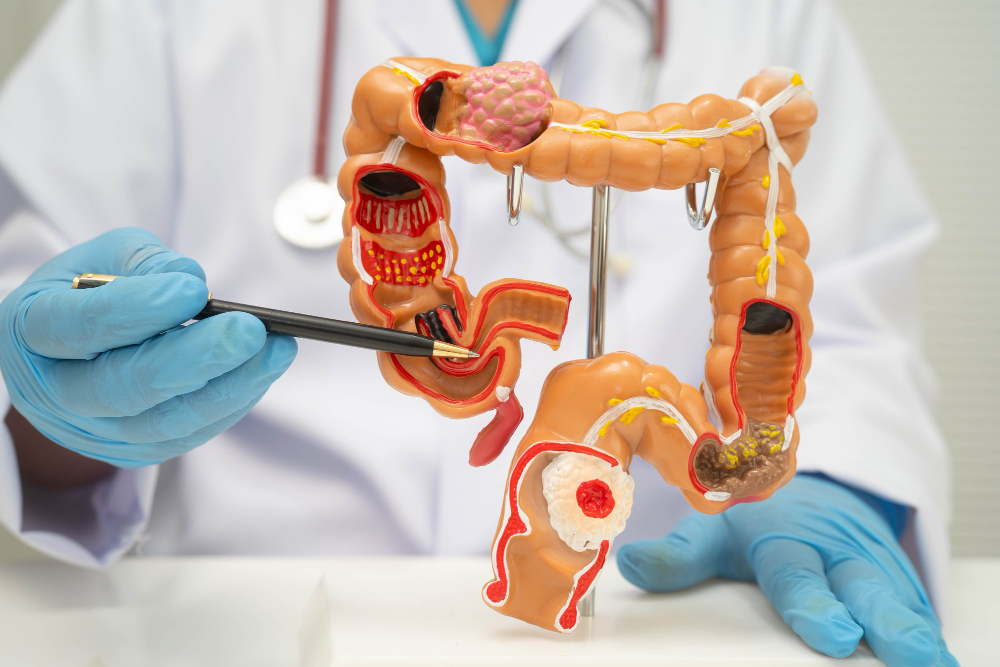
Colon polyps are small growths that form on the lining of the colon or rectum. While most polyps are harmless, some can turn into colon cancer over time. Because of this risk, early detection of colon polyps is very important. Polyps can vary in size and shape. Some look like tiny bumps, while others have a stalk, like a mushroom.
Usually, you cannot feel colon polyps. In fact, most people do not know they have them. However, finding them early during a colonoscopy screening can help prevent colon cancer. According to the Centers for Disease Control and Prevention (CDC), removing polyps lowers your cancer risk.
Common Symptoms of Colon Polyps
Often, colon polyps cause no symptoms. Still, some people may notice changes. For example, you might see:
Even though these symptoms can have other causes, it is wise to talk to your doctor if you notice them. Early detection of colon polyp symptoms can make a big difference.
Causes and Risk Factors
Several factors can increase your risk of developing colon polyps. For instance, age is a key risk factor. Most people over 50 are more likely to get polyps. However, younger people can also develop them.
Other risk factors include:
Because some risk factors cannot be changed, regular colonoscopy screening becomes even more important.
How Colon Polyps Are Diagnosed
Doctors use several tests to find colon polyps. Most often, a colonoscopy is the best way. During this test, a doctor uses a thin, flexible tube with a camera to look at the colon. If polyps are found, they can often be removed right away.
Other tests include:
Because colon polyps often have no symptoms, regular screening is key for early detection. The CDC recommends starting colonoscopy screening at age 45 for most adults.
Treatment Options for Colon Polyps
Once a doctor finds colon polyps, removing them is the best way to prevent colon cancer. Usually, polyps are removed during a colonoscopy. The doctor uses special tools to snip or burn off the growths.
After removal, the polyps are sent to a lab. There, experts check if the polyps are harmless or if they could become cancer. In rare cases, surgery may be needed for large or hard-to-reach polyps.
Because new polyps can form, your doctor may suggest follow-up screenings. This helps catch any new growths early.
Importance of Early Detection
Early detection of colon polyps can save lives. When found and removed early, most polyps will not turn into colon cancer. According to the World Health Organization (WHO), colon cancer is one of the most common cancers worldwide. However, it is also one of the most preventable.
For example, people who get regular colonoscopy screening have a much lower risk of dying from colon cancer. Early detection also means less invasive treatment and a better chance of full recovery.
Tips for Prevention and Healthy Lifestyle Choices
Although you cannot control all risk factors, healthy habits can lower your risk of colon polyps and colon cancer. For instance, you can:
Because family history matters, tell your doctor if relatives have had colon polyps or colon cancer. This helps your care team plan the best screening schedule for you.